

The H1B visa number plays a vital role in the immigration process for individuals seeking to work in the U.S. under the H1B visa program. As a nonimmigrant visa classification, the H1B allows professionals in specialty occupations, such as IT, healthcare, and engineering, to work temporarily in the U.S. Understanding the H1B visa number is essential, as it provides a unique identifier for tracking and verifying your immigration and work authorization.
This comprehensive guide explores the details of the H1B visa number, its purpose, and how to find and use it effectively.
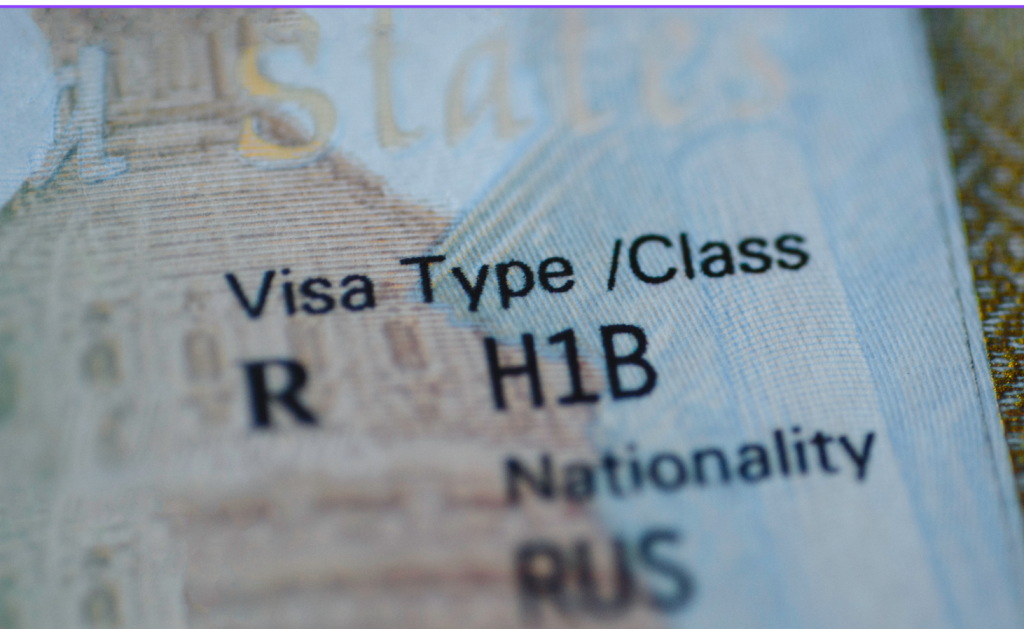
H1B Visa Number Details
The H 1B visa number, also referred to as the visa foil number, is a unique identifier assigned to every valid visa holder. It typically comprises eight numeric characters or seven numeric characters followed by one letter and is printed on the bottom right corner of the visa document. This number is issued when the U.S. Department of State approves the visa application and acts as a tracking number for immigration records.
For individuals applying for multiple visas or undergoing consular processing, the H1B visa number is crucial for distinguishing each case. This number is randomly generated and is different from other identifiers, such as the approval notice number or immigrant visa numbers.
What Is a Non-Immigrant H1B Visa Number?
The H1B visa number is specific to the nonimmigrant H1B visa category, issued to foreign nationals working temporarily in the U.S. It is part of the broader immigration law framework under Citizenship and Immigration Services (USCIS), enabling employers to hire highly skilled professionals. Unlike numbers assigned to immigrant visas, which are tied to permanent residency, the H1B visa number reflects the holder’s temporary legal status in the U.S.
This number is particularly important for individuals maintaining their immigration status, transferring to a new employer, or applying for premium processing. The number ensures accurate tracking of the visa holder’s status, work authorization, and other critical details.
How To Get an H1B Visa Number
Obtaining an H1B visa number involves completing the visa application process, which includes filing a petition through USCIS and attending an interview at a U.S. consulate or embassy in your home country. Once USCIS approves your petition, you will receive an approval notice (Form I-797), and the consulate will assign your visa number upon successful issuance.
To apply:
- Ensure your petition is properly filed by your current employer.
- Gather supporting documents, such as your bachelor’s degree, job offer, and proof of expertise in a specialized knowledge field.
- Complete the consular interview with a consular officer and provide all required documentation.
Find further details in our guide on H1B visa application. For personalized guidance, consult an H1-B visa lawyer to ensure accuracy in filing.
Where Is the H1B Visa Number?
The H1B visa number can be found on the visa stamp affixed to your passport. It is located at the bottom right corner of the visa stamp and is typically printed in red ink. This number is essential for verifying your legal status, tracking your immigration records, and ensuring smooth reentry into the U.S.
If you are unsure where to locate your visa number, refer to our detailed article on the H1B visa stamp for a visual guide.
Information Accompanying the H1B Visa Number
In addition to the visa number, your H1B visa stamp includes critical information such as:
- Issuing port: The location where the visa was issued.
- Issued expiration date: The validity period of your visa.
- Employment authorization: Details about your authorized role and employer.
- Multiple entries or single entry: Indicates whether you can reenter the U.S. multiple times during the visa’s validity.
This information ensures that border protection officers can verify your eligibility and compliance with visa requirements upon entry.
What Can You Use Your H1B Visa Number For?
The H1B visa number is used for several purposes throughout your immigration journey, including:
1. Verifying Visa Status and Work Authorization
Employers and government agencies use the H1B visa number to confirm your immigration status and work authorization. It acts as a unique identifier, allowing your employer to ensure compliance with employment authorization document regulations during the onboarding process. Additionally, this number is essential when filling out Form I-9, which verifies an employee’s eligibility to work in the U.S.
Employers also use the visa number to confirm compliance with employment authorization document regulations and monitor visa expiration deadlines.
2. Tracking Records with USCIS and the Department of State
Your H1B visa number is critical for accessing and tracking visa-related information through USCIS or the Department of State systems. This includes reviewing your application status, understanding the validity period of your visa, and monitoring your petition’s progression. Online tools like Case Status Online enable you to keep updated on your petition’s adjudication or any changes to your legal status.
3. Supporting Applications for Changes or Amendments
If you need to change employers or amend your current H1B petition (e.g., job location or title), your visa number will be required. The new employer must submit a properly filed H1B petition to USCIS, referencing your original visa details. The visa number ensures that your employment transitions remain compliant and your immigration status uninterrupted.
4. Facilitating Green Card Applications
When applying for a green card, your H1B visa number is used to ensure accurate documentation and consistency across your application. It is vital for demonstrating a seamless immigration history, which is a critical factor in moving from nonimmigrant visa status to lawful permanent residency. For instance, during the PERM labor certification or I-140 petition stages, this number may be cross-referenced for accuracy and compliance.
5. Ensuring Employer Compliance
Employers use the H1B visa number to confirm compliance with U.S. immigration laws, ensuring they meet obligations such as maintaining an active Labor Condition Application (LCA) and adhering to the issued expiration date of the visa. It is also necessary for reporting changes in employment conditions or when preparing documentation for audits or inspections by border protection officers or the Department of Labor.
Conclusion
The H1B visa number is a crucial component of the U.S. immigration process, serving as a unique identifier for visa holders. From ensuring compliance with USCIS to facilitating multiple entries into the U.S., this number plays an integral role in managing your immigration status and work authorization.
For more information on maintaining your H1B visa, including checking your H1B visa status or navigating the renewal process, contact the experts at Immigration Law Group. Let us guide you through every step of your immigration journey with clarity and confidence.
